

Description
Melanotan 1 10mg Core Specifications
Deep technical specification parameters optimized for integrating 10mg Melanotan 1 into focused, multi-well laboratory screening protocols.
| Research Parameter | Assay Benchmark Profile | Internal Catalog Link |
|---|---|---|
| Sequence Blueprint | [Nle4, D-Phe7]-α-MSH (Modified Linear Tridecapeptide Architecture) | High-Purity Series → |
| Molecular Weight | 1646.9 Da (Stabilized short-chain peptide layout) | |
| Purity Baseline | ≥ 98.0% via High-Performance SEC-HPLC | Anti-Aging Compounds → |
| Assay Target | Melanocortin-1 Receptor Agonism & Intracellular Adenylate Cyclase Induction |
Melanotan 1 Peptide & How Does it Work?
Melanotan 1 Peptide & How Does it Work?
Melanotan 1 (also documented as Afamelanotide) is a premier synthetic analogue of the native alpha-melanocyte-stimulating hormone (α-MSH). This tridecapeptide structure features strategic amino acid substitutions at positions 4 and 7, replacing native links with Norleucine and D-Phenylalanine. These design modifications enhance its structural resistance to immediate enzymatic breakdown while drastically increasing its affinity for target skin receptors. Unlike erratic cyclic variants, Melanotan 1 works as a selective linear engine focused on early skin melanin synthesis paths. In physical laboratory lines, this 10mg format offers a clean reference standard for examining melanogenesis acceleration, cellular photoprotective metrics, and epidermal cell response trends over extended testing phases without facing quick material decay.
Melanotan 1 10mg Quick Specifications
| Technical Property | Laboratory Standard Specifications |
|---|---|
| Chemical Structure | Linear Tridecapeptide Structure (Stabilized alpha-MSH Analog) |
| Active Core Payload | 10mg Purified Crystalline Powder / Vial (Focused Titration Setup) |
| Purity Baseline | ≥ 98.0% Pure Certified via HPLC Testing Rows |
| Primary Research Focus | Selective MC1R binding, intracellular cyclic AMP signaling, and dark eumelanin transcription speed |
How Does Melanotan 1 Work in Laboratory Assays?
Melanotan 1 works by mimicking natural skin defense pathways, binding cleanly with high affinity into melanocortin-1 receptors (MC1R) located on epidermal cells. This binding activation kicks off the downstream adenylate cyclase engine, forcing a steady accumulation of cyclic AMP (cAMP) inside the cell layer. This signal pattern drives tyrosinase transcription pathways, enabling researchers to measure melanin synthesis speed and track the natural distribution of dark shielding pigments within treated sample arrays.
Melanotan 1 Research Applications
Melanotan 1 Research Applications
In analytical dermal biology and photoprotection transcriptomic publications, Melanotan 1 is closely tracked for its role in regulating epidermal cellular repair loops under intensive light exposure models. Investigators utilize this stable 10mg presentation format to build exact concentration response boards and measure cellular survival rates following simulated ultraviolet cell shock. This focused configuration is highly favored for localized testing rows, letting researchers set up comprehensive multi-well response graphs while keeping material waste to a minimum.
Melanotan 1 Core Pathways & Action Matrix
| Target Pathway | Observed Cellular Action | Primary Research Goal |
|---|---|---|
| MC1R Agonism | Binds selectively to surface receptors on skin cells to prompt continuous internal cyclic AMP flux. | Quantifying dark pigmentation synthesis signaling speed. |
| Photoprotection | Triggers downstream shielding tracks to accelerate dark pigment shield formation against radiation. | Measuring skin cell survival markers under light pressure. |
| DNA Protection | Prompts local cell repair paths, decreasing free radical damage across treated cellular arrays. | Tracking cell structure resilience following oxidative shock. |
Step-by-Step Mechanism of Action
When Melanotan 1 is introduced into targeted dermal research media, it coordinates deep skin cell adaptations through a highly standardized path:
- Receptor Selective Docking: The linear tridecapeptide structure anchors smoothly into active MC1R sites on the outer skin cell boundaries.
- cAMP Wave Generation: Activates internal coupling mechanisms, inducing steady adenylate cyclase and internal cyclic AMP accumulation.
- Enzymatic Transcription: Prompts the cell matrix to upregulate tyrosinase production, speeding up the transition of raw elements into dark eumelanin rows.
- Shield Formation: The treated skin models show an optimized layer of protective dark pigment while surrounding structural baseline markers stay stable.
How Does Melanotan 1 Compare to Other Peptides?
How Does Melanotan 1 Compare to Other Peptides?
To assist in protocol coordination, it is essential to differentiate the linear epidermal shielding focus of Melanotan 1 10mg from alternative cyclic melanocortin variants, selective lipolytic fragments, or longevity gene promoters available in our collection. While alternative options investigate secondary neural receptors or broad cell life extension loops, Melanotan 1 focuses on localized skin pigmentation lines. Understanding these baseline catalog differences allows for more precise laboratory assay designs.
Peptide Quick Comparison Matrix
The comparative table below outlines the core differences in research focus, mechanism of action, and primary target nodes across our high-purity laboratory catalog:
| Research Peptide | Mechanism of Action | Primary Laboratory Focus | Target Nodes | Peptide Structure |
|---|---|---|---|---|
| Melanotan 1 10mg(This Product) | Selective MC1R Agonism | Dark pigment synthesis induction, light exposure skin cell survival mapping, and photoprotection. | MC1 Receptor | Linear Core (13-AA) |
| Melanotan 2 10mg | Non-Selective MC1R/MC3R/MC4R | Investigating neural satiety loops, accelerated skin pigmentation responses, and multi-receptor metabolic tracking. | MC1R / MC3R / MC4R | Cyclic Pentapeptide |
| HGH Fragment | Lipolytic Pathway Trigger | Adipose tissue reduction mapping, isolated fat burning markers, and growth-independent research. | Beta-3 Adrenergic | 176-191 Segment |
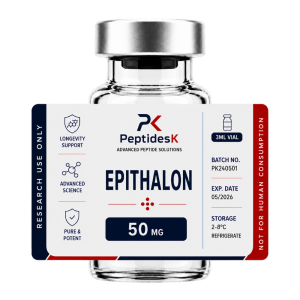
| Epithalon 10mg | TERT Gene Promoter | Telomere extension mapping, chromatin epigenetic unfolding, and cellular lifespan tracking. | Nuclear DNA / TERT | Tetrapeptide (4-AA) |
Synergistic Research Application Notice
In analytical dermal biology lines, investigators frequently study linear melanocortin structures alongside cyclic configurations like Melanotan 2 to map receptor selectivity variations across skin samples. The stable 10mg format provides excellent concentration accuracy, allowing researchers to run exact pilot trials without lot variance disruptions. While alternative catalog rows look into cell life expansion parameters or fat clearing tracks, standalone Melanotan 1 provides a clean reference for natural skin pigment shield analysis.
How to Store Melanotan 1 Lyophilized Powder & Liquid Solutions
How to Store Melanotan 1 Lyophilized Powder & Liquid Solutions
To keep your high-purity Melanotan 1 peptide stable and prevent its delicate 13 amino acid chain sequence from breaking down early, you must follow strict temperature parameters. Proper handling ensures that your laboratory assay baselines remain fully consistent and free from degradation artifacts over time.
- FREEZER (-20°C)
Lyophilized Peptide Powder: Store the dry crystalline powder vial inside a laboratory freezer at -20°C to -80°C for long-term storage. This fully seals the peptide configuration against sequence breakdown for up to 24 months. - ROOM TEMP (25°C)
Shipping & Transit Window: In its dry, vacuum-desiccated solid state, Melanotan 1 is highly resilient. It can easily endure ambient transport fluctuations up to 25°C for a maximum of 3 weeks. Always return the vials to deep-freeze storage upon delivery. - REFRIGERATOR (2°C – 8°C)
Reconstituted Liquid Phase: Once mixed into a liquid form, the solution must be stored strictly under refrigeration between 2°C and 8°C. Reconstituted fluid phases face natural structural decay; completely exhaust the active liquid within 10 to 14 days maximum. Never freeze a peptide after it has been liquified.
Step-by-Step Melanotan 1 Reconstitution Guide
Because short-chain peptide matrices are sensitive to sudden physical pressure shifts, follow this precise protocol to dissolve your 10mg Melanotan 1 powder cake into a stable fluid layer:
- Temperature Adjusting: Allow the 10mg Melanotan 1 vial to naturally reach ambient room temperature equilibrium before removing the plastic security cap. This step blocks condensation moisture from contaminating the dry cake.
- Sanitizing the Septum: Thoroughly clean the upper rubber entry core septum using a fresh, high-grade isopropyl alcohol sterile wipe.
- Gentle Liquid Cascade: Draw your laboratory diluent (such as sterile bacteriostatic water) and slowly inject 1ml down the internal glass envelope wall. Let the fluid cascade gently down the glass rather than spraying it directly at the powder to avoid structural kinetic shock paths.
- Zero Aggressive Agitation: Do not shake, vibrate, or vortex the vial. Mechanical friction shears peptide chains easily. Instead, gently roll and rotate the vial horizontally in circular, concentric movements until the white solid cake fully transitions into a pristine, crystal-clear transparent liquid layer.

There are no reviews yet.